
To Protect Their Reputation Today, Companies Must Be More Honest and Human
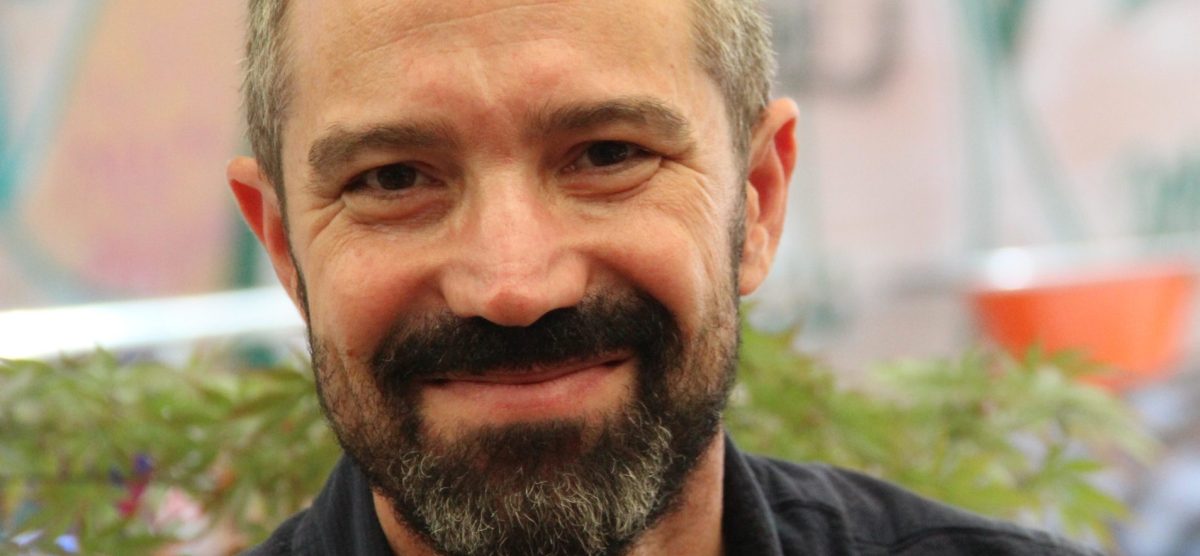
By Shahar Silbershatz, CEO of Caliber
The headlines come thick and fast.
Militants step up their attacks on commercial vessels in the Red Sea, disrupting global supply chains. Voters elect a demagogic presidential candidate, fuelling social unrest and concerns about impacts on cross-border trade, security and the climate. Amid accusations that it’s gone “woke”, a corporation pulls a major ad campaign. And hacktivists exploit artificial intelligence to create a devastating series of “deep fake” corporate videos.
Welcome to the world in 2024. A world seemingly beset by endless crises, “culture wars” and the nefarious use of AI. All three issues pose serious challenges to corporate communicators. Here’s why. Take AI, which lies behind the increasing spread of mis- and disinformation. Deep fakes — such as bogus ads, photos or videos — will increasingly compromise more companies and threaten their reputations. And “malgorithms” that place company ads in inappropriate places will likewise raise red flags concerning brand suitability.
Meanwhile, some companies will suffer AI-related security breaches such as data leaks. Others will see algorithmic biases roll back their hard-won diversity and inclusion gains. Then there’s the broader impact of AI on society: Businesses that replace employees with AI and put many people out of work may suffer reputational harm.
The second threat to corporate reputations is geopolitical turmoil — or, rather, the seemingly relentless stream of macro-events sometimes known as the “polycrisis”. Many companies will face a sudden, specific crisis this year — such as an armed conflict or environmental disaster that threatens supply chains or endangers employees. They will need to respond quickly — and must do so these days with the world looking on. What’s also different now is that even if they aren’t affected, companies are increasingly expected to take a stand in response to a crisis (such as the Israel-Hamas war).
That brings us to the third major threat to corporate reputation and challenge for corporate communicators: culture wars.
In today’s always-on, interconnected world, businesses are increasingly drawn into ideological battles over hot-button issues like race, gender, climate and geopolitics.
And, as the media, legislator, and investor-led backlash against ESG and “woke” activity shows, companies are discovering they can’t please all their stakeholders all the time. Simply ask either Anheuser-Busch or Disney, both of which discovered the reputational cost of speaking out about controversial topics.
Potential flashpoints will only grow in what’s expected to be another divisive election year in the United States — with possible consequences for European companies, too.
But what makes the coming months so parlous is that these three threats overlap. A company that engages in “greenhushing” — not mentioning its sustainability activities to sidestep the ESG backlash — may inadvertently create an information vacuum. The result? Some actors may draw inaccurate conclusions about the company, while others may fill the void with harmful deep fakes. Both circumstances can erode stakeholder trust and damage the company’s reputation.
A company’s failure to speak out about a major global event can create a similar void — one that’s ripe for disinformation, misinformation and misinterpretation. So how can companies protect themselves against these three threats?
Here are four strategies…